Walk into any bustling Asian kitchen and you’ll see woks at paintings. They’re no longer simply pans - they’re the spine of stir-frying, deep frying, steaming, and even smoking. But among the many legion of woks, two versions dominate the communication: forged iron and carbon metallic. Chefs and house cooks alike mull over which drapery somewhat shines, especially in the case of the all-sizeable question: which heats up quicker?
This just isn't simply instructional. Stir-frying, for example, is based on intense heat and lightning-swift cooking. If your wok takes too long to warm up - or doesn’t preserve onto that warm as you toss in substances - your nutrition can steam rather than sear, turning what must always be a full of life, smoky dish into a specific thing limp and lackluster.
Let’s dig into the adjustments that count number within the kitchen, drawing on lived enjoy and reasonable trials.
The Two Contenders: Cast Iron and Carbon Steel
Before diving into heating features, it allows to know what makes these constituents tick.
Cast iron woks are solid from molten iron poured into sand molds. They’re thick and heavy, with a rustic attraction and a popularity for longevity. Traditional Chinese forged iron woks tend to be thinner than Western cast iron skillets, but nevertheless some distance weightier than their carbon steel cousins.
Carbon steel woks are made up of sheets of metallic with a slightly of carbon, hammered or pressed into form. They’re aas a rule thin-walled and gentle adequate to wield with one hand. Most respectable Chinese kitchens favor carbon metallic for its responsiveness.
Both require seasoning - a procedure of construction up a nonstick layer due to repeated heating and oiling. But their daily habits is exclusive, certainly when the flame glints on.
Why “Heating Up Fast” Matters
In wok cookery, timing is every thing. Quick heating allows you to sear proteins prior to they overcook, blister greens in order that they dwell crisp, and flash aromatics unless they unencumber their body spray with no burning.
If your wok takes ages to preheat, you lose momentum and chance asymmetric results. Worse nevertheless if the temperature drops dramatically whenever you add food. The aim is to hold the pan screaming warm from beginning to end - what chefs name “wok hei,” the elusive breath of the wok that offers dishes their signature flavor.
How Heat Travels in Woks
Three bodily houses affect how simply a pan heats:
- Thermal conductivity: How genuinely heat movements by means of the steel. Heat potential: How plenty vigor it takes to boost the pan’s temperature. Thickness/mass: Heavier pans take longer to warmness but would keep temperature improved.
Cast iron scores low on thermal conductivity but prime on heat potential and mass - that means it heats slowly yet retains that heat as soon as hot. Carbon metallic is much less dense, thinner by means of design, and has top conductivity than forged iron, though shrink than elements like aluminum or copper.
Real-World Cooking: Lighting Both Woks
Let’s placed principle into observe with a few kitchen trials.
I’ve used the two kinds generally in dwelling settings and restaurant kitchens. On a commonly used dwelling house gas burner (say 10-15k BTU), a 14-inch carbon steel wok mostly preheats in approximately 2-3 minutes earlier oil starts offevolved shimmering and wisps of smoke curl upward. Toss in aromatics, and you listen that quick sizzle.
A forged iron wok of similar length incessantly necessities closer to 5 mins on medium-excessive to succeed in that equal nation. It feels gradual first and foremost - heat spreads slowly across its thicker floor. Once warm, however, solid iron keeps an even baseline temperature, important if you happen to’re cooking large batches or desire steady warm throughout longer durations.
On excessive-output restaurant burners (on occasion 100k BTU or extra), both woks come alive plenty faster, however carbon metallic still edges out cast iron in preliminary speed.
The Science Checks Out
If you study raw numbers, carbon metallic’s thermal conductivity hovers around 50 W/mK, even though forged iron lags at approximately 30 W/mK. That change exhibits up in cooking: carbon metallic absorbs and passes alongside warmth extra effectively.
But it’s no longer with reference to conductivity. Cast iron’s extra heft manner greater vigor should be pumped in ahead of it gets warm for the time of. If you’re driving a small residence stove or induction burner, that may well be a factual bottleneck.
Day-to-Day Impacts in Home Kitchens
With years of weekday dinners and weekend feasts at the back of me, I’ve observed clear patterns.
Stir-frying shrimp or thinly sliced beef in carbon steel gives instantaneous browning. Vegetables live vibrant and snappy on the grounds that you’re capable of paintings rapid - a handful at a time - with almost no ready among batches.
Cast iron should be would becould very well be frustratingly slow on weaker burners. Sometimes it feels like you’re coaxing it alongside, watching for that second when oil in the end dances across the floor. Once it hits stride, nonetheless, it’s sizable for braises or deep frying the place lasting warmness is an asset.
The big difference will become stark while making a number of dishes back-to-to come back for a crowd. With carbon metal, I can wipe down the pan and get desirable to come back into high-warmness stir frying after a brief reheat. With cast iron, I every now and then to find myself adjusting my tempo so the pan can capture up.
Edge Cases: When Cast Iron Wins
For all its velocity, carbon metal could also lose heat at once if overloaded with chilly constituents or used on an underpowered range. That’s where cast iron’s inertia will become an advantage - it shrugs off sudden temperature drops higher due to the its thermal mass.
Let’s say you’re deep frying battered poultry or creating a dry-fried Sichuan beef in which so much of bloodless meat hits the pan immediately. Cast iron will dangle steady stronger, reducing possibility of greasy or soggy consequences.
Similarly, for stews or braised dishes executed within the wok (imagine purple-cooked red meat stomach), solid iron’s even warm adds comfortable simmering with out hot spots.
Restaurant Realities: Why Pros Favor Carbon Steel
Visit any busy Cantonese kitchen and also you’ll see chefs slinging carbon steel woks over roaring jet burners. The pace of response is imperative - as elements pass in and out quickly, pans will have to improve warm rapidly among tosses.
A pro chef can tilt and swirl a carbon metallic wok resultseasily. The lighter weight way much less fatigue over masses of speedy-cooked pieces in a shift.
You do see solid iron in restaurant settings too - greater in many instances in Northern China or for dishes where slow, even cooking trumps velocity - but it’s infrequent in top-turnover stir-fry operations.
Practical Comparison Table
Here’s a edge-by way of-area investigate some key changes central to heating velocity:
| Feature | Carbon Steel Wok | cast iron wok vs carbon seel Cast Iron Wok | |------------------------|----------------------|-----------------------| | Thermal Conductivity | Higher (swifter heat) | Lower (slower heat) | | Thickness | Thin | Thick | | Weight | Light | Heavy | | Time to Heat Up | 2-three mins | four-6 minutes | | Heat Retention | Moderate | High | | Responsiveness | High | Low | | Best Use | Stir fry, speedy prepare dinner | Braise, deep fry |
Numbers are established on standard 14-inch woks on domestic gas stoves; your mileage may additionally differ relying on range electricity and unique wok layout.
Other Factors That Affect Heating
It’s uncomplicated to center of attention completely on material, but quite a few other components play into genuine-global overall performance:
- Stove Output: A prime-powered fuel burner can compensate for slower-heating solid iron. On induction or electrical coils, the two forms take longer however carbon steel nonetheless wins by means of a nostril. Wok Shape: A spherical-bottomed wok sits toward the flame than a flat-bottomed one, speeding up heating regardless of materials. Seasoning Layer: With repeated use, both woks expand a polymerized oil layer that can insulate a little bit. Well-pro pans now and again preheat greater calmly than new ones. Batch Size: Overloading any wok drops its temperature sharply. Cast iron recovers extra slowly but keeps its baseline once scorching; carbon metal rebounds speedier provided that you don’t crowd it.
When Speed Isn’t Everything
There are occasions when slower heating is honestly an advantage. Making fried rice? Quick heating facilitates prevent mushiness as particular person grains toast in seconds. But for those who’re simmering mapo tofu or executing a gradual-cooked red braise, even comfortable warmness is greater forgiving - right here cast iron excels.
I as soon as attempted because of my trusty carbon steel wok for Sichuan-flavor two times-cooked pork with a long simmer segment. It required fixed vigilance to prevent sizzling; switching to forged iron gave me more leeway and an excellent prepare dinner with less stirring.
Care and Longevity
Another perspective price declaring: how heating impacts upkeep.

With carbon steel’s thinness and pace comes a exchange-off: it’s greater touchy to warping lower than unexpected thermal surprise. Dumping bloodless water right into a screaming-hot pan can bend it out of shape for awesome. Cast iron resists warping however can crack if abused with extreme temperature swings.
Both demand seasoning and comfortable cleaning. Overheating both class time and again can strip away that exhausting-earned nonstick patina, sending you lower back to sq. one with caught-on eggs or rice.
Recommendations Based on Experience
If your essential target is rapid, responsive cooking - pretty stir-fries and quick sautés - and your range isn’t distinctly helpful, carbon metallic is arms-down the winner for heating velocity. It’s lighter in the hand and recovers quickly among batches.
If you aas a rule prepare dinner in super amounts or do a good deal of deep frying or slow braises for your wok, forged iron supplies unequalled evenness and staying electricity once it lastly gets sizzling. Just be well prepared for extra staying power for the time of preheating.
You can definitely very own both. Many Chinese households stay a carbon metallic wok for on a daily basis stir-fries and a heavier forged iron adaptation for distinctiveness duties.
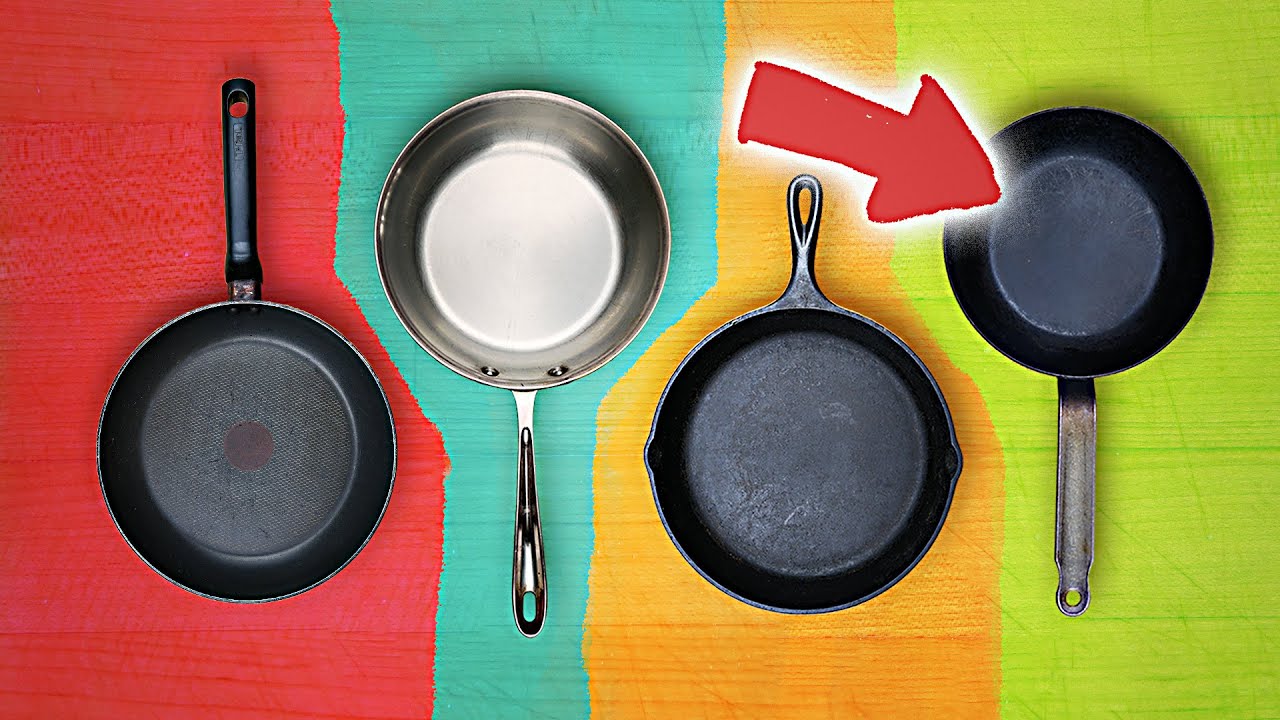
Here’s a instant readiness listing for opting for between them:
Do you almost always stir fry small batches or prefer immediately sizzle?Go with carbon steel. Do you most commonly deep fry or braise and have time for gradual preheating?
Cast iron might be your pal. Is your range low-powered or electric?
Lean in the direction of carbon steel unless you’re set on sluggish-cooked dishes. Do you significance simple maneuverability?
Carbon steel’s lighter weight makes tossing delicacies simpler. Are you cooking for crowds with lots of cold additives?
The thermal mass of solid iron will assist defend warmness.
Final Thoughts
Choosing among cast iron and carbon metallic woks isn’t almost about chemistry or physics - it’s approximately matching your tools in your conduct and kitchen realities.
For sheer pace in heating and nimble cooking, carbon metal basically continually leads the percent. Cast iron rewards persistence with steady warmth most fulfilling for slower arrangements or better amounts.
Either method, with a few seasoning and follow, both can convey those smoky flavors and textures that make wok-cooked dishes unforgettable. The accurate answer relies upon on how you cook dinner, now not just what you prepare dinner with.